


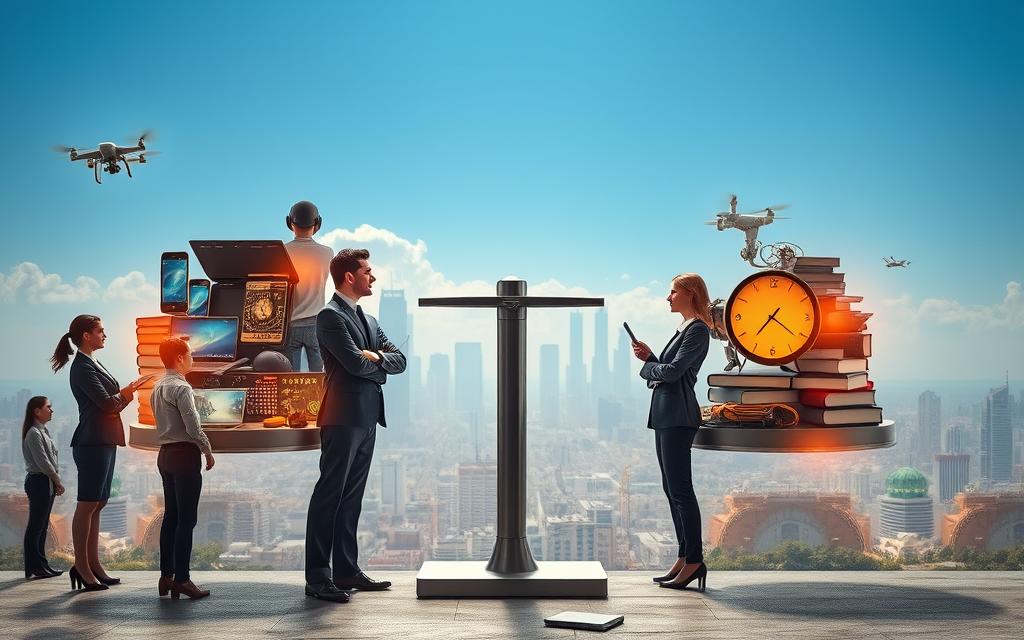
Our digital era is full of contrasts. Many see its power to change the world. Yet, others worry about its impact on society.
We look at both sides fairly. We see how new tech changes how we talk, get medical care, and work.
We also talk about big problems like privacy and ethics. Our views are based on the latest studies and expert opinions.
Grasping this complex issue helps us live better today. Let’s explore the digital society impact together, with a fair eye.
The Contemporary Technological Landscape
Our world is now a complex digital system. Technology changes almost every part of our lives. This change moves from isolated ideas to connected systems that change how we live.
Defining Modern Technological Advancement
Modern technology includes digital tools and systems that started with the internet. It’s different from past industrial changes. Today, we focus on intelligent connectivity, not just mechanical parts.
Things like artificial intelligence, machine learning, and Internet of Things devices are key. They’ve moved us from single machines to networks that learn and grow. This change means systems that can guess what we need, not just do what we tell them.
The Accelerating Pace of Digital Transformation
Digital change is happening faster than ever. What was once science fiction is now part of our daily lives. Smartphones, for example, have become more than phones. They’re like tiny computers that help us manage our lives.
By 2022, 66% of the world was online. This shows how fast digital change happens. It’s not slowing down. Innovations keep building on each other, growing faster and faster. Cloud computing is a great example, making it easy for people all over the world to work together.
Related Posts:
- How Science and Technology Affect Our Lives Shaping…

- How Technology Changed the Way People Communicate…

- How Technology Affects Our Daily Lives An Essay on…

- How Technology Is Bad for Us The Negative Impacts on…

- What Is Important Technology Defining Impactful Innovations

- How Technology Affects Family Communication…

Scope of Analysis: Key Technologies Under Consideration
We’re looking at technologies that really change society. These are the biggest drivers of change today.
We’re talking about things like new ways to communicate, better healthcare, new business models, and ways to protect the environment. Each one shows how technology can help and also cause problems.
| Technology Category | Primary Applications | Adoption Rate | Sector Impact |
|---|---|---|---|
| Artificial Intelligence | Predictive analytics, automation | Rapid enterprise adoption | Cross-sector transformation |
| Internet of Things | Smart devices, data collection | Expanding consumer market | Home and industrial automation |
| Cloud Computing | Data storage, remote collaboration | Near-universal business use | Global workforce enablement |
| Mobile Technology | Communication, access platforms | 66% global penetration | Social and economic inclusion |
These technologies are the base for understanding technology’s role in society. They work together, so changes in one area often affect others.
How Does Technology Benefit Society: Transformative Advantages
Technology has changed our lives in big ways. It has changed how we talk to each other, get medical care, and learn. These changes have opened up new ways for us to connect, improve health, and share knowledge worldwide.
Revolutionising Global Communication and Connectivity
Today, technology has broken down barriers between places. Tools like Zoom and Microsoft Teams keep us connected even when we can’t meet in person. They show how strong digital connections can be.
Social media and messaging apps let us talk to each other in real time. They help families who live far apart stay close. This has made it easier for people from different cultures to connect and work together.
Online dating is another area where technology has made a big difference. It uses smart algorithms to match people, changing how we find love in the digital world.
Healthcare Breakthroughs and Medical Innovations
Technology has changed healthcare a lot. Telemedicine lets patients talk to doctors from anywhere, saving time and travel. This is a big help for people who need quick medical advice.
Wearable devices track our health all the time. They give doctors more information to help prevent health problems. This is a big step forward in healthcare technology.
Artificial intelligence is also changing medicine. It can look at medical images better than humans in some cases. This technology impact is helping find new medicines faster than before.
Educational Access Through Digital Learning Platforms
Digital learning has made education available to more people. It doesn’t matter where you are or how much money you have. Sites like MOOCs offer top-notch education for free or very cheap.
Learning apps make studying fun and engaging. They use games to help students learn and remember better. This way of digital education fits each person’s learning style, something old classrooms can’t do.
Digital libraries and online resources have ended the problem of not having enough information. Students everywhere can now access the same resources. This makes education fairer for everyone, thanks to technology.
These digital tools are very helpful when schools can’t open. They let students keep learning even when they can’t go to class. They work with different schedules and learning speeds, making education more flexible and open to everyone.
Economic Prosperity and Productivity Gains
Technology is a key driver of economic growth, changing how businesses work and compete worldwide. It has updated old economic ways, opening up new chances for success and better efficiency.
Automation and Efficiency Improvements
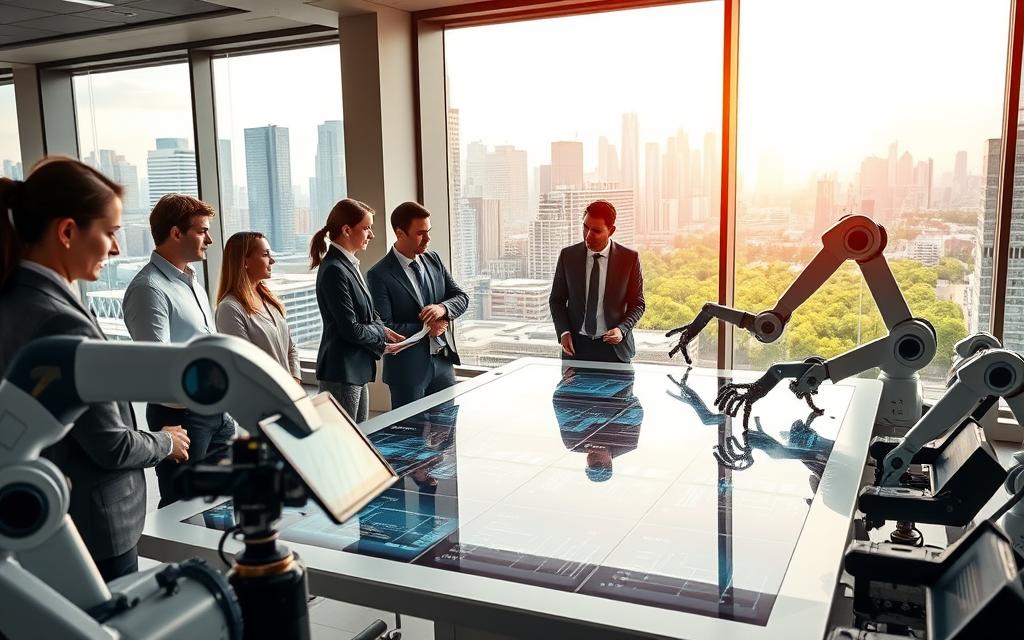
Today’s automation tech has greatly improved efficiency in many areas. Robots and AI make production faster and better, without losing quality.
This means businesses can make more with less. They can use people for creative and strategic tasks, making the most of their skills.
Studies show that smart automation in factories boosts productivity by 20-35%. This big change in how things are made is a key shift in the economy.
Global Market Access and E-Commerce Expansion
Digital platforms have broken down old barriers to trade. Small and medium businesses can now reach global markets easily, without huge costs.
The e-commerce boom has cut down on costs for businesses. Online shops and digital ads help reach the right people, saving money.
Safe online payments have made shopping online more trustworthy. This helps online shopping grow, boosting the economy.
| Economic Indicator | Pre-Digital Era | Current Digital Landscape | Percentage Change |
|---|---|---|---|
| Market Reach for SMEs | Local/Regional | Global | +400% |
| Transaction Processing Time | 3-5 business days | Instant-24 hours | -90% |
| Customer Acquisition Cost | High | Low-Targeted | -60% |
| International Trade Barriers | Significant | Minimal | -85% |
Innovation Ecosystems and Startup Cultures
Technology has created lively innovation ecosystems where new businesses can grow. Cloud services offer affordable space for startups.
Online tools help teams work together, no matter where they are. This brings together different views and speeds up solving problems.
These innovation ecosystems are key to creating jobs and diversifying the economy. They show how economic technology helps new businesses compete with big ones.
The digital shift is changing the economy, bringing both chances and challenges. It needs careful handling and adaptation.
Healthcare Transformation in the Digital Era
Digital healthcare is a big change thanks to technology. It’s changing how we diagnose, treat, and care for patients. Now, we can have remote consultations and use new research tools and devices.
Telemedicine and Remote Patient Monitoring
Telemedicine is key in today’s healthcare. It lets doctors talk to patients online, no matter where they are. This helps people in rural areas and those who can’t move easily.
Remote patient monitoring goes further. It uses wearables to track health signs all the time. This sends data to doctors, who can act fast. It helps people with long-term illnesses stay healthy and avoid hospital stays.
Medical Research Acceleration Through Big Data Analytics
Big data analytics is changing medical research. It looks at lots of health data to find new things. This makes finding medical answers faster.
AI helps by looking at big data to predict health issues and how well treatments work. This helps drug companies make better medicines. It also makes diagnosing diseases more accurate with machine learning.
Advanced Prosthetics and Assistive Technologies
Assistive technology has gotten much better thanks to digital progress. New prosthetics can move like real limbs because they use sensors and brain signals. This makes life better for amputees and others with physical challenges.
Now, there are smart devices that help with daily tasks and talking. They use AI and make life easier for people with disabilities. These devices are getting better all the time, promising more help in the future.
Educational Evolution Through Technology
The digital revolution has changed education in big ways. It has opened up new learning chances for people all over the world. This change is more than just putting books online. It’s a complete shift in how we learn and use knowledge today.
E-Learning Platforms and Universal Access
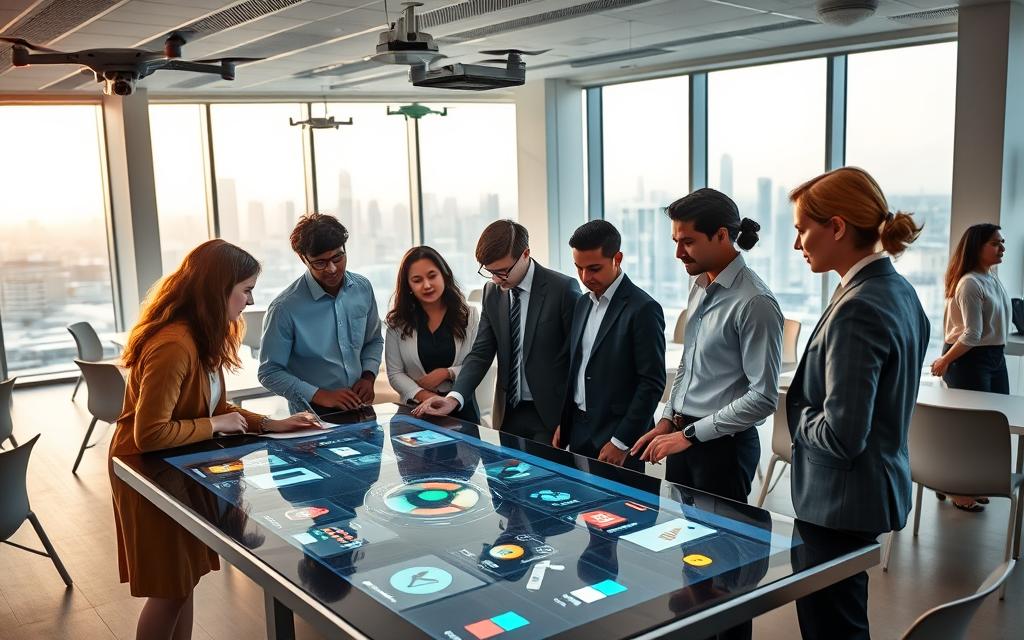
Online learning platforms have made education more accessible. They have broken down barriers of location and money. Now, people can learn from top schools around the world without spending a lot.
These platforms offer flexible learning times. This fits well with different lives and schedules. Digital libraries and online resources also make information easy to find. This helps both school students and those learning on their own.
Students in far-off places can now learn the same things as city kids. This is a big step forward in making education fair for everyone.
Personalised Learning via Adaptive Technologies
Artificial intelligence helps make learning fit each student’s needs. These systems look at how well students learn and what they need help with. They change the learning material on the fly to help students understand better.
Learning that’s made just for you can make school more fun. Teachers get to see how students are doing and can help where needed. This way, everyone can learn at their own pace and do better.
Digital Literacy as an Essential Modern Skill
Knowing how to use technology is now key for school and work. It includes knowing how to find good online info, behave online, and use tech tools well. Schools are teaching this skill more and more.
Students learn to use tech and think critically at the same time. This gets them ready for jobs that use a lot of technology. It also helps them be good digital citizens. This means they can use technology wisely, not just for fun.
The Social Costs of Technological Advancement
Technological progress brings many benefits but also big social challenges. These costs affect our privacy, mental health, and how we connect with others. They are the hidden price of our digital world.
Privacy Erosion and Data Security Vulnerabilities
The digital age has made privacy a big concern. Our personal info is valuable to companies and hackers. Data breaches often expose our sensitive details, putting us at risk of identity theft and fraud.
Companies collect our data without asking. Smart devices track our habits and conversations. This makes privacy a rare luxury, not a basic right.
Big data breaches show how serious this issue is. Millions have had their info stolen. We need better data protection and to learn more about digital safety.
Mental Health Implications of Digital Dependency
Being always connected harms our mental health. Studies link it to anxiety, depression, and attention problems. Social media’s design makes us keep using it, like an addiction.
Cyberbullying is a big worry, hitting young people hard. Online, people can be mean without facing consequences. This can really hurt someone’s mental health.
Blue light and constant alerts mess with our sleep. Many can’t stop using their devices, even at night. This leads to tiredness and poor thinking skills.
Social Isolation Despite Hyper-connectivity
Our world is more connected but we feel lonelier. Online friends don’t replace real ones. Having lots of online friends doesn’t mean we’re truly connected.
Too much screen time means less time for real people. Family meals and social events are now about staring at screens. This makes us feel isolated, even when we’re online.
Studies show heavy social media users feel lonelier. Seeing perfect lives online makes us feel bad about ourselves. This can make us want to stay away from others.
We need to find a way to use technology without losing our well-being. Being aware of these issues is the first step to better digital habits.
Employment Challenges and Workforce Disruption
Technology is changing fast, causing big problems for jobs in many areas. It changes how we work and what skills we need to keep up in today’s world.
These changes bring both good and bad news. Many workers are unsure about their jobs as old roles change or disappear. Understanding these changes helps us get ready for the future of work.

Job Market Transformations and Skill Obsolescence
Automation and artificial intelligence are changing jobs quickly. Jobs in manufacturing and retail are being lost fast. Old jobs are being replaced by new technology.
Workers need to keep learning new skills fast. Skills that were once important for years are now outdated in just a few. This means workers must always be learning and improving their skills.
New jobs are emerging that need special skills. Jobs in data analysis, cybersecurity, and AI programming are in demand. The challenge is to help workers who have lost their jobs find new ones through training.
The Gig Economy’s Impact on Labour Rights
The gig economy is changing how we work. It offers flexibility but often lacks job security and benefits. Many workers have to juggle different jobs without knowing when they’ll work or how much they’ll earn.
Labour rights are facing new challenges in this changing world. Gig workers often don’t get:
- Health insurance and retirement benefits
- Paid sick leave and vacation time
- Legal protections against unfair dismissal
- Collective bargaining rights
This shift to more flexible work creates economic risks for many families. Governments are trying to update laws to protect workers in new jobs.
Addressing Technological Unemployment Concerns
Technological unemployment needs solutions from everyone. Governments, schools, and businesses must work together to help workers. They need to find ways to reduce the harm caused by job loss.
Good strategies include training programs for new jobs. Community colleges and online courses can help workers learn new skills. These steps help workers get ready for new jobs.
Helping workers is key. Governments can offer support like unemployment benefits and healthcare. Laws can also protect workers while allowing for new technologies.
| Sector | Displacement Risk | Emerging Opportunities | Transition Support Needed |
|---|---|---|---|
| Manufacturing | High | Robotics maintenance | Technical retraining |
| Retail | High | E-commerce management | Digital skills development |
| Administrative | Medium | Data analysis | Analytical training |
| Transportation | Medium-High | Logistics coordination | Technology integration skills |
Improving the workforce needs ongoing effort in education and training. Working together, schools and businesses can make sure training meets job needs. This teamwork helps workers deal with new technology.
Dealing with technological unemployment needs everyone to be flexible and adapt. Workers should keep learning, and employers should help their workers grow. When technology moves forward, it should help those who are left behind.
Environmental Considerations of Digital Progress
Digital progress is a game-changer, but it comes with a big environmental price tag. The world of technology is facing big challenges as more devices and digital systems spread out. This is a big issue that needs to be tackled head-on.

E-Waste Management and Sustainability Challenges
Electronic devices are being replaced fast, leading to a lot of e-waste. This waste is full of harmful stuff like lead and mercury. The world’s recycling systems are struggling to deal with the 53.6 million metric tonnes of e-waste made in 2019.
When e-waste is not disposed of properly, it pollutes soil and water. This is very bad for our health. Countries with less resources often get stuck with e-waste from richer countries.
We need to find ways to make e-waste management better. This includes making products that can be recycled more easily and holding companies responsible for their waste.
Energy Consumption of Digital Infrastructure
Data centres are using a lot of energy and growing fast. In 2020, they used about 200 terawatt-hours of electricity. That’s a lot, similar to the energy needs of some countries.
Even though there are ways to make data centres more efficient, they are not green enough. The carbon footprint is big. Cryptocurrency mining is also using a lot of energy.
The internet is getting bigger and using more energy. This is because of streaming and cloud computing. We need to use more renewable energy to keep the internet running.
Green Technology Solutions and Renewable Innovations
Green technology is a way to make digital progress less harmful. Solar-powered data centres and energy-saving chips are good examples. They show that we can be innovative and sustainable at the same time.
Companies are working to be carbon neutral. They are using renewable energy and offsetting their carbon emissions. Microsoft wants to be carbon negative by 2030, showing that big companies can lead the way.
New technologies like AI for energy management and biodegradable electronics are on the horizon. These could change how we use technology and make it more eco-friendly.
Ethical Dimensions and Future Governance
Technology is now a big part of our lives, raising big questions about ethics and rules. We need to think deeply and make policies to make sure tech is fair for all.

Artificial Intelligence and Algorithmic Bias Concerns
Artificial intelligence can make old biases worse. It learns from data that might have unfair views. This can lead to unfair choices in jobs, loans, and law.
To fix AI bias, we need teams with different views and clear algorithms. Companies should check their tech for fairness and use tools to spot bias. This way, AI can help everyone.
Digital Divide and Access Inequality Issues
The digital divide is when some people can’t use technology. It affects learning, health care, and jobs. Poor areas and low-income families are hit the hardest.
To close this gap, we need to invest in tech and make internet cheaper. Places where people can learn about tech and training programs can help. Everyone should have a chance to use technology’s benefits.
Regulatory Frameworks for Responsible Innovation
Good regulatory frameworks keep tech safe and fair. They cover privacy, security, and ethics. Governments should work with tech experts to make rules that work.
Key parts of good tech rules include:
- Clear data protection standards
- Accountability for AI systems
- Global efforts on cyber security
Responsible tech needs talks between lawmakers, companies, and people. This teamwork helps make tech that’s good for everyone.
Conclusion
Technology’s impact is both amazing and challenging. It changes how we talk, helps our health, makes work better, and opens doors to learning worldwide.
But, there are big worries too. Privacy is at risk, our minds might suffer, jobs could change, and the planet might get hurt. We need to think carefully about how we use technology.
To get it right, we all must work together. We need to think about what’s right and make rules that help everyone. This way, technology can improve our lives without causing harm.
The future of our digital world is in our hands. We must use technology wisely and make sure everyone has a chance to benefit. By focusing on well-being, fairness, and caring for our planet, we can create a better future.
As we go forward, we must keep checking and adjusting our approach. By using technology’s good sides and fixing its bad, we can build a world that’s fair and full of opportunities for all.
FAQ
How has technology transformed global communication?
Technology has changed how we talk to each other worldwide. It lets us talk in real time using video calls and social media. This makes it easy to connect and share information across the globe, improving our personal and work lives.
What are the key benefits of technology in healthcare?
Technology has made healthcare better in many ways. It lets doctors see patients remotely and track health with wearables. It also helps find new treatments faster with AI. These changes make healthcare more accessible and effective, helping people everywhere.
How does technology impact education today?
Technology has made education available to everyone. It offers online courses and digital libraries. It also helps learn in a way that fits each person, making learning more personal. Knowing how to use technology is now a key skill for today’s world.
What role does technology play in economic growth?
Technology boosts the economy by making things more efficient. It uses automation and AI in industries like manufacturing. It also helps businesses reach more customers online and supports new ideas and startups. But, it also means some jobs might disappear.
What are the privacy risks associated with technological advancements?
New tech can be a risk to our privacy. It collects a lot of data and can be used in bad ways. This can lead to identity theft and other problems. We need strong protection for our data and to know how to stay safe online.
How does technology affect mental health and social interactions?
Technology can be good for staying in touch, but it’s not without risks. It can lead to addiction, anxiety, and bullying. Too much screen time can also make us feel lonely. It’s important to use technology wisely and take care of our mental health.
What environmental challenges are linked to digital progress?
New tech can harm the environment. It creates waste and uses a lot of energy. We need to find ways to use technology that’s better for the planet. This includes recycling and using green tech.
How is artificial intelligence regulated to address ethical concerns?
AI is being watched closely to make sure it’s fair and safe. Laws and rules are being made to address issues like bias and privacy. It’s important for companies to be responsible and for us to keep an eye on how AI is used.
What strategies can mitigate technological unemployment?
To deal with job loss due to tech, we need to train people for new jobs. We should focus on skills that are needed in the future. This way, we can help everyone adapt to the changing job market.
How does the digital divide affect society?
The digital divide means some people don’t have access to technology. This makes it hard for them to get an education, healthcare, and jobs. We need to make sure everyone has a chance to use technology and learn new skills.
