


Our daily interactions have changed a lot thanks to digital innovation. Now, communication tools affect almost every part of our lives. They are part of almost every conversation we have.
This digital communication evolution has changed how we connect personally and professionally. Old ways have been replaced by advanced platforms. These platforms meet our needs and act like humans.
The change is more than just new tools. It’s a big change in how we connect with each other. Today’s systems make our experiences personal while keeping the heart of meaningful talks.
This section looks at how technology keeps changing how we talk to each other. We’ll see how we’ve moved from simple digital tools to today’s complex communication systems.
The Evolution of Communication: From Analog to Digital
Communication has changed a lot over time, from simple gestures to digital chats. This shift from analog to digital is a big change in technology. It has changed how we talk to each other.
Pre-Digital Era: Letters and Telephones
Before digital, we used letters and phones to talk to each other. Letters were slow but thoughtful. Phones were faster but only for talking at one place.
Both had their limits:
- Letters took days or weeks to arrive
- Phone calls were only for fixed places
- Both cost a lot for long-distance talks
- They mostly allowed one-on-one chats
Studies show these old ways made different levels of connection. As one study says:
Related Posts:
- How Science and Technology Affect Our Lives Shaping…

- How Technology Affects Family Communication…

- How Technology Affects Our Daily Lives An Essay on…

- Does Technology Benefit Society Weighing the Pros and Cons

- What Is Important Technology Defining Impactful Innovations

- How Technology Is Bad for Us The Negative Impacts on…

“Face-to-face is much more personal; phone is personal as well, but not as intimate as face-to-face… Internet would definitely be the least personal”
The Advent of Digital Technology
Digital communication started with turning analog signals into digital data. This made sending, storing, and copying information much better.
Early digital tech helped create today’s internet communication platforms. It brought big benefits:
- Perfect data over long distances
- Less storage needed
- Many communication types could be used together
- Started network-based systems
This change made today’s internet communication platforms possible. It was not just a tech advance but a new way to connect over distance.
These early steps in digital tech set the stage for today’s world. They show how we share info and keep in touch in a more connected world.
How Has Technology Changed the Way People Communicate
The digital revolution has changed how we talk to each other in ways we couldn't imagine before. Today, we have smartphones, cars with voice commands, AI chatbots, and algorithms that learn our habits. Anyone researching changed way people may also want to understand bachelor science information degree before deciding on the best option. These changes have made talking fast and global, unlike the slow, local chats of the past.
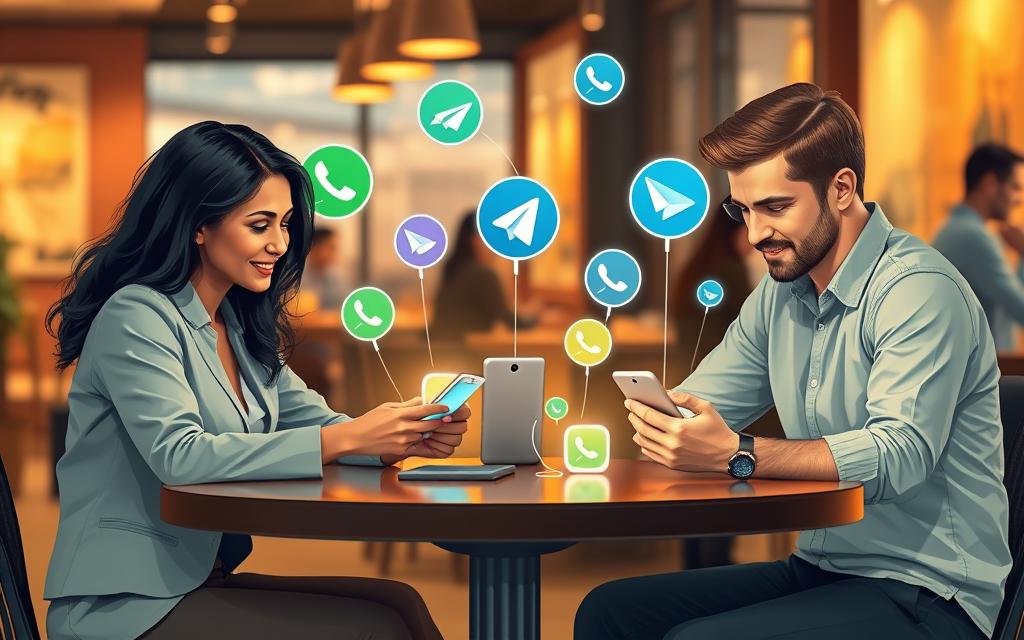
Increased Speed and Efficiency
Digital tools have made talking much faster than before. Gone are the days of waiting weeks for a letter. Now, we can send messages across the world in seconds.
It’s not just personal chats that have sped up. Business talks that used to take hours or days now happen in minutes. This has made work more efficient everywhere.
Global Connectivity and Reach
Technology has broken down barriers to talking to people anywhere. With the internet and mobile networks, staying in touch with friends and family across the globe is easy.
This global connection has opened up new chances for sharing cultures and working together. Students can learn from others all over the world, and businesses can work with teams in different countries. The world feels smaller and more connected thanks to digital tools.
Integration of Multimedia Elements
Today, we talk in more ways than just words. We share photos, videos, and voice messages that make our conversations richer and more meaningful.
This change has made sharing experiences and stories better. Instead of describing a sunset, we can send a photo. Instead of explaining a complex idea, we can send a video. Our conversations are now more expressive and clear than ever.
Smartphones and other devices are key to this fast, multimedia-rich communication. The growth of mobile messaging apps has been huge. They let us easily switch between text, voice, and video in one chat.
The Internet Revolution: Email and Early Online Platforms
The internet changed how we talk to each other. It made old ways like telegraphs and fax machines less important. The internet was a big step forward in how we connect with each other.
Email: Revolutionising Personal and Professional Correspondence
Email changed how we send messages. It was faster than sending letters, which took days. This made talking to people far away easier.
At work, email made things more efficient. People could send messages and share documents quickly. It saved time and money compared to old ways.
At home, email helped families and friends stay close. They could share news and photos easily. This was a big change from waiting for the mail.
Email also brought new rules for talking online. Things like subject lines and CCs became common. These helped keep conversations organised and clear.
Web Forums and Bulletin Board Systems
Before social media, there were BBS and web forums. They let people connect and share ideas. These places were like communities for different interests.
Web forums made it easier to join in. People could talk, ask questions, and share knowledge. This helped everyone learn from each other.
These early sites showed how social media would change us. They set the stage for today’s online communities. The rules and ways of talking online today started here.
Sharing information became easier with these sites. People could find expert advice from anywhere. This was a big step towards today’s vast networks of knowledge.
The impact of these early sites is clear today. Modern social media uses many ideas from them. Knowing about these early days helps us understand today’s online world.
Mobile Technology: Smartphones and Instant Messaging
Mobile technology has changed how we connect. Smartphones are now key for both personal and work chats. They’ve become essential, fitting in our pockets.
Studies show 70% of Americans see digital tech as good for relationships. This is because mobile devices keep us connected, no matter where we are. Smartphones lead this change in how we talk and work together.
SMS and the Rise of Text-Based Communication
SMS changed how we send messages. It made quick, short chats the norm. This led to new ways of talking online, with abbreviations and emojis.
It also made us expect fast replies. This shift helped create today’s fast messaging culture. Now, quick answers are the standard, not the exception.
Messaging Apps: WhatsApp, Facebook Messenger, and iMessage
Today’s messaging apps go beyond SMS. Apps like WhatsApp, Facebook Messenger, and iMessage offer more features. They let us share media and know when messages are read.
These apps have many benefits:
- They keep our chats safe with end-to-end encryption
- They work well with other online services
- They work on different devices
- They offer clear voice and video calls
These apps are great for staying in touch with people far away. They make talking to others across the globe easy and cheap.
Mobile Internet and Always-On Connectivity
Smartphones and the internet have made us always connected. This has changed how we handle relationships and work. We now expect to be available all the time.
Mobile internet also brings more than just messaging. Video conferencing tools let us meet online from anywhere. This helps us work from anywhere, keeping things running smoothly.
The table below shows how mobile communication has grown:
| Communication Aspect | SMS Era | Early Mobile Internet | Current Generation |
|---|---|---|---|
| Maximum Message Length | 160 characters | Unlimited text | Unlimited multimedia |
| Typical Response Time | Hours | Minutes | Seconds to minutes |
| Media Support | None | Basic images | HD video & documents |
| Group Communication | Not supported | Basic group texts | Advanced group features |
This shows how mobile tech has made communication better. Video conferencing tools on mobile are the latest step. They let us have quality meetings anywhere, anytime.
But, always being connected can be hard. It affects our work-life balance and digital health. Yet, the benefits of quick communication are clear in keeping relationships strong and work flowing smoothly.
Social Media: Facebook, Twitter, and Instagram
Social media has changed how we connect and share in the digital world. It has made new ways for us to interact, build communities, and share experiences. This has never been done on such a large scale before.

Real-Time Interaction and Social Networking
Platforms like Twitter and Facebook have changed how we talk in real-time. We can share thoughts and news instantly with people all over the world. This has changed how we experience events and keep in touch with friends.
Social networking lets us make digital groups based on what we like or where we are. These groups can connect people from all over the world, creating global communities.
“Social media sites like Twitter have provided a space for like-minded people to share ideas, whether it’s discussing a TV show or forming political movements.”
Visual Storytelling through Photos and Videos
Instagram and similar sites have made visual stories more important. Now, we tell stories with pictures and videos instead of just words. This has changed how we share our lives.
Visual stories are more engaging and memorable. They let us express feelings in a way words can’t. Brands and people use this to connect better with their audience.
Visual storytelling has also made it easier for anyone to create and share content. With a smartphone, anyone can make and share professional-looking content worldwide.
Impact on Public Discourse and Community Building
Social media has greatly influenced how we talk and build communities. These platforms are key for political discussions, social movements, and support groups.
Groups that were once overlooked have found a voice through social media. They can share their stories, organize, and find support without limits. This has been a powerful tool for change and awareness.
But, there are also challenges. The same platforms that help build communities can also spread harmful content.
Research shows that social media has negative effects too. These include the fast spread of false information, cyberbullying, and feelings of isolation and depression. These issues are serious for users and the platforms themselves.
The use of AI in communication tools is becoming more important. They help find and block harmful content while supporting good interactions in communities.
| Platform | Primary Communication Style | Community Impact | Notable Features |
|---|---|---|---|
| Group discussions and personal updates | Local community organisation | Events, Groups, Marketplace | |
| Real-time public conversation | Global discourse and news sharing | Hashtags, Retweets, Threads | |
| Visual storytelling and messaging | Interest-based communities | Stories, Reels, Direct Messaging |
Social media is always changing, with new tech like augmented reality and advanced AI in communication. These changes will keep shaping how we connect and share in the digital world.
The future of social media will focus on finding a balance. Developers need to tackle privacy and misinformation while keeping the creative and connective aspects that make these tools valuable.
Video Communication: Zoom, Skype, and FaceTime
Video communication platforms have changed how we connect. They have made it easier to talk to people across the world. This has changed both work and personal life.
Transforming Business Communication and Remote Work
Video calls have changed how teams work together. Tools like Zoom, Microsoft Teams, and Slack are now key for businesses.
The COVID-19 pandemic made video calls even more important. Companies needed ways to meet and work together online. Video platforms helped them do this.
These tools let teams work together in real time. They can share screens and record meetings. This makes working together from different places easier.
But, companies must think about communication privacy concerns. Keeping data safe is important when sharing it online.
Enhancing Personal Connections with Video Calls
Video calls have also changed how we connect personally. FaceTime and Skype help families and friends stay close even when apart.
These calls make conversations more meaningful than just talking or texting. People can share moments together, like birthdays. This keeps feelings close even when apart.
The pandemic showed how important video calls are. They helped people stay connected when they couldn’t meet in person.
Even in personal use, it’s important to think about communication privacy concerns. Knowing how to use these tools safely helps keep conversations private.
Video calls can’t replace being together in person. But they offer a good alternative. The technology is getting better, making these calls more like real-life conversations.
Artificial Intelligence in Communication: Chatbots and Translation
Artificial intelligence is changing how we talk to each other. It uses smart systems that learn from us and talk back in a way that feels human. This is one of the most exciting future communication trends that keeps getting better.

Today’s AI can check if messages sound right for the audience. This makes online chats better for work and personal talks. It helps us connect in a way that feels right for each situation.
AI-Powered Chatbots in Customer Service
Companies use AI chatbots to help with customer questions. These bots answer fast, so people don’t have to wait long. They work all the time, helping no matter the time or day.
These advanced bots understand what’s going on and keep the conversation going. They remember what you said before and tailor their answers to you. This makes getting help online feel more natural and helpful.
AI also helps human teams by doing simple tasks. This lets people focus on harder problems that need their touch. It’s a big help, not a replacement for people.
Language Translation Tools like Google Translate
AI has made talking to people in different languages easier. Tools like Google Translate use smart learning to translate words accurately. This lets people talk to each other in real time, even if they don’t speak the same language.
These tools now get the context and feel of language better. They’re not just translating words; they understand what’s meant. This makes talking across languages feel more natural and clear.
These tools help businesses, schools, and personal connections worldwide. They make it easier for people to work together and make friends, no matter where they’re from.
But AI is not perfect. It struggles with emotions and subtle signals that people pick up easily. This shows why we need people to check and make sure AI is used right in important talks.
| AI Tool Type | Primary Function | Key Benefits | Limitations |
|---|---|---|---|
| Customer Service Chatbots | Automated customer support | 24/7 availability, instant responses | Limited emotional intelligence |
| Translation Tools | Language conversion | Real-time communication across languages | Cultural nuance challenges |
| Writing Assistants | Message refinement | Tone and grammar improvement | Context understanding limits |
| Educational AI | Teaching support | Administrative task reduction | Cannot replace human teachers |
AI is getting better at helping us talk to each other. As it keeps improving, we’ll see even more advanced systems. They’ll understand us better and keep being helpful in all sorts of ways.
Challenges of Digital Communication: Privacy and Misinformation
Digital communication has made talking to people far away easier. But, it also brings new problems like privacy issues and fake news. These problems affect our safety and trust in each other.

Data Privacy and Security Risks
When we use digital platforms, they collect lots of our personal info. This raises big questions about our privacy. Every time we send a message or post something, our data is being used.
Security breaches happen a lot. Hackers try to get into our digital stuff to find out our secrets. This can hurt our feelings and make us scared to share online.
Now, companies and governments can watch what we do online. This makes us think twice before we talk or share. It changes how we connect with each other online.
Spread of Misinformation and Fake News
False information spreads fast online. Social media and emails can share it quickly. This is a big problem for honest talks.
How digital platforms work helps spread lies. Things like retweets and shares let bad info spread without checking it. This makes us only hear what we want to hear.
Too much tech can make us feel overwhelmed. It’s hard to keep up with all the info.
This constant stream of false info makes us anxious. It’s hard to know what’s real. This can make us doubt what we hear online.
Digital Divide and Accessibility Issues
Not everyone can use digital tools. This creates a gap between those who can and those who can’t. It affects our learning, jobs, and friends.
Some digital things are hard for people with disabilities to use. Things like screen readers or captions are missing. This leaves them out of the conversation.
This makes it hard for people to connect and grow. The gap gets bigger as we rely more on digital stuff. It leaves some people behind.
| Communication Challenge | Primary Impact | Potential Solutions | Affected User Groups |
|---|---|---|---|
| Data Privacy Risks | Personal security compromise | Enhanced encryption | All digital users |
| Misinformation Spread | Erosion of trust | Media literacy education | Social media users |
| Digital Divide | Access inequality | Infrastructure investment | Low-income communities |
| Accessibility Barriers | Exclusion from communication | Universal design principles | People with disabilities |
These digital problems affect our feelings too. Studies show they can make us less empathetic and anxious. We need to fix these issues to keep our online and offline relationships strong.
The Future of Communication Technology: Trends and Predictions
Digital communication is changing fast, bringing us to the edge of big changes. Soon, we’ll have technologies that are smarter, more immersive, and part of our daily lives. These changes will change how we connect with each other.

Augmented Reality and Virtual Reality Applications
Immersive tech is set to change how we communicate. Augmented reality can turn history or physics into 3D experiences. Imagine a business meeting with hologram colleagues or exploring designs in virtual space.
Virtual reality takes it further, making digital spaces feel real. It will change workplace communication technology, making remote teams feel like they’re together. Training and customer service will also get a boost.
These techs will also change social interactions. People can share experiences across the globe as if they were together. Cultural events, family gatherings, and learning will become more accessible.
Ethical Considerations and Future Regulations
As these techs grow, big ethical questions arise. Privacy gets tricky with devices that record our surroundings. AR/VR systems raise questions about consent and data ownership.
Future laws must balance innovation with protection. Governments and international groups will need to create rules that keep users safe without stopping progress. Key areas include:
- Data protection standards for immersive technologies
- Accessibility requirements to prevent digital exclusion
- Content moderation in virtual spaces
- Intellectual property rights in digital environments
Future tech will understand our context better, suggesting and correcting us. This is both promising and risky. It could prevent misunderstandings but also raise bias and manipulation concerns.
Ensuring everyone has access to these tools is key. As workplace communication technology gets better, making it affordable for all businesses is vital. Schools will also need support to avoid digital divides.
Artificial intelligence will soon merge with AR and VR, creating platforms that adapt to us. These systems will help us in conversations and cultural differences. They will be our partners in understanding.
The future of communication tech is full of possibilities but also challenges. Finding the right balance between innovation and responsibility will be our main task in the next decade.
Conclusion
Technology has changed how we interact with each other. It has reshaped our personal and professional connections. This digital shift is a major change in how we communicate.
Digital tools bring speed, global reach, and new ways to share. But, they also raise privacy issues and spread false information. It’s important to use platforms like WhatsApp, Facebook, and Zoom wisely.
In today’s digital world, we need to mix tech skills with human ones. Skills like listening, emotional understanding, and clear communication are key. They help us stay connected, even with technology in the way.
Technology keeps evolving, impacting education and work. It’s essential to know how to use these tools well. This knowledge is vital for both personal and professional growth.
FAQ
How has technology fundamentally changed the way people communicate?
Technology has made communication faster and more global. It has moved us from old ways like letters and phones to new digital ones like email and social media. Now, we can talk and share things more easily and in many ways.
What were the main limitations of pre-digital communication methods?
Old ways like letters and phones were slow and limited. They made it hard to talk in real time and share feelings over long distances. This made communication less effective and less fun.
How did the advent of digital technology improve communication efficiency?
Digital tech made talking and sharing things much faster. With smartphones and the internet, we can talk and work together instantly. This makes decisions quicker and interactions more lively.
In what ways has technology enabled global connectivity in communication?
Tech has broken down barriers with social media, video calls, and messaging apps. Now, we can talk to anyone, anywhere, instantly. This has helped with international friendships, work, and learning about different cultures.
How has the integration of multimedia elements enhanced modern communication?
Using images, videos, and emojis has made digital talk more fun and clear. Sites like Instagram and Facebook focus on pictures and stories. Tools like iMessage let us share more than just words, making feelings clearer.
What impact did early internet platforms like email and web forums have on communication?
Email made sending messages fast and reliable, changing how we talk to each other. Web forums let people share and discuss ideas on a big scale. This opened up new ways to connect and share information.
How have mobile devices and messaging apps changed communication behaviours?
Mobile tech, like SMS and apps, has made us always ready to talk. This has changed how we talk and share, making it easy to chat in groups and send media anywhere.
What role does social media play in shaping public discourse and community building?
Social media lets us talk and share ideas in real time. It helps voices be heard, builds communities, and changes how we talk about things. But, it also has downsides like spreading false information and affecting our mental health.
How has video communication transformed both business and personal interactions?
Video tools like Zoom have changed work and personal talks. They let us work remotely and stay close to loved ones from far away. But, they can’t replace the feeling of being there in person.
What is the role of artificial intelligence in modern communication?
AI helps with customer service, translation, and making messages clearer. It makes talking faster and easier across languages. But, it can’t fully understand emotions and body language like humans do.
What are the key challenges associated with digital communication?
Big issues include keeping our data safe, stopping false information, and making sure everyone can use tech. Too much digital talk can also make us feel overwhelmed and lonely.
What future trends are expected to influence communication technology?
New trends include using AR and VR for more immersive talks. There’s also a focus on keeping our data safe and making sure everyone can use tech. These changes might make our digital talks even more personal and meaningful.
How does the digital divide affect communication opportunities?
The digital divide means some people can’t use the internet or tech. This limits their chances to learn, work, and connect with others. We need to make sure everyone has access to digital tools and knows how to use them.
Can technology fully replicate the nuances of face-to-face communication?
A> Technology makes talking easy and far-reaching, but it’s not the same as being there in person. It misses the nonverbal cues, empathy, and spontaneity of face-to-face talks. We need to use tech wisely and keep our human skills sharp for real connections.